
Introduction
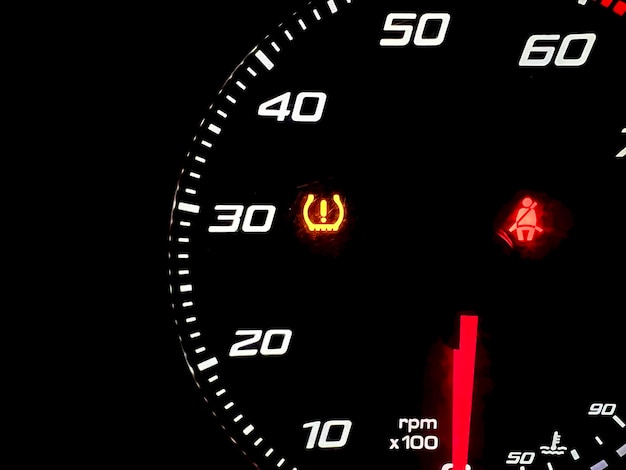
When you're driving down the road and suddenly notice a light on your dashboard indicating an issue with your tires, it can be a cause for concern. That light is called the Tire Pressure Monitoring System (TPMS) light, and it serves as an important safety feature in your vehicle. In this comprehensive guide, we will explore the meaning behind TPMS lights, how to interpret their behavior, and what actions you should take to ensure your safety on the road.
What Does the TPMS Light Mean?
The TPMS light is designed to alert you when there is a problem with the air pressure in your tires. It acts as a warning sign that one or more of your tires may be underinflated, overinflated, or experiencing other issues. While it's important to note that the TPMS light is not a substitute for regular maintenance, it can provide valuable information if you know how to interpret it correctly.
Understanding TPMS Light Behavior
The behavior of the TPMS light can vary depending on the specific issue with your tires. Let's take a closer look at the different scenarios and what they mean:
TPMS Light Comes on When Driving
- Light behavior: The TPMS light comes on and stays on.
- What it means: This indicates that the air pressure in at least one of your tires is low.
- What you should do: Check the tire pressure with a manual gauge as soon as possible.
- Can you still drive: While it is possible to drive with the TPMS light on, it's important to keep in mind that one or more of your tires may be significantly low on air pressure. This can affect your vehicle's handling and potentially damage the tire if driven on for an extended period.
TPMS Light Comes on and Goes Off
- Light behavior: The TPMS light illuminates and then turns off seemingly at random.
- What it means: The tire pressure in at least one of your tires is likely very close to the minimum or maximum recommended inflation. Temperature changes can trigger the sensor.
- What you should do: Check the tire pressure and adjust it accordingly.
- Can you still drive: If the air pressure in your tires is close to the recommended level, it is generally safe to drive. However, always be cautious and aware of any changes in your vehicle's handling.
TPMS Light Flashes Before Coming On
- Light behavior: The TPMS light flashes for a minute or so each time you start the engine and then stays on.
- What it means: This indicates a malfunction in your TPMS, and it cannot be relied upon to provide accurate readings.
- What you should do: Take your vehicle to a qualified technician as soon as possible to diagnose and repair the TPMS issue. In the meantime, manually check your tire pressure.
- Can you still drive: If you have checked the air pressure in your tires and it is within the recommended range, it is safe to drive. However, do not solely rely on the TPMS to alert you of any potential problems.
Tire Pressure and Changing Temperatures
One important factor to consider when dealing with TPMS lights is the effect of changing temperatures on tire pressure. As the ambient temperature fluctuates, the air pressure in your tires can also change. According to the ideal gas law, when the temperature of a given volume of gas decreases, the pressure also decreases. Conversely, when the temperature rises, the pressure increases.
It is essential to understand that the exact change in tire pressure depends on various factors. However, as a general rule of thumb, for every 10-degree Fahrenheit decrease in ambient air temperature, you can expect a tire to lose approximately 1 PSI of pressure. Conversely, for every 10-degree Fahrenheit increase in temperature, the tire's pressure may rise by 1 PSI.
Cold Winter Weather and TPMS Lights
In colder climates, TPMS issues tend to be more prevalent during the winter months. As the temperature drops, the air inside your tires contracts, leading to a decrease in tire pressure. For example, if your tires were filled to the recommended pressure when it was 80 degrees Fahrenheit outside and the temperature later dropped below freezing, you might experience a 5 PSI drop in tire pressure.
If you notice that the TPMS light comes on in the morning but goes off as the day progresses, it is likely due to the temperature-related fluctuations in tire pressure. As you drive, the friction causes the tires to heat up, increasing the air temperature inside them. Consequently, the tire pressure may appear to be fine later in the day when a mechanic checks them.
Checking Tire Pressure vs. Relying on TPMS Lights
While the TPMS light serves as a helpful indicator, it is still essential to manually check your tire pressure regularly. If you find that the TPMS light flickers while driving but the pressure is not low when checked, it could indicate a faulty TPMS sensor. In such cases, it is recommended to have the sensor checked and replaced if necessary.
On the other hand, if you discover low tire pressure when the tires are cold, that is likely the cause of the TPMS light coming on. In these instances, inflating the tires to the recommended pressure when they are cold should resolve the issue of the TPMS light repeatedly illuminating.
Regularly checking and adjusting tire pressure throughout the year is crucial to maintaining optimal tire performance. It helps prevent issues with tire pressure monitor lights and ensures your safety on the road.
Resetting TPMS Lights
If you have inflated your tires to the correct pressure and the TPMS light remains on, you may need to reset it. Different vehicles have various methods for resetting TPMS lights. Here are a few commonly used techniques:
- Drive the car at 50 mph for about 10 minutes: This can often reset the tire sensors, and when you start the car again, the TPMS light should turn off.
- Use the TPMS reset button: With the vehicle off, turn the key to the "on" position without starting the car. Hold the TPMS reset button until the tire pressure light blinks three times, then release it. Start the car and let it run for 20 minutes to allow the sensors to reset.
- Consult your vehicle's manual: If you are unsure how to reset the TPMS light in your specific vehicle, refer to the owner's manual for detailed instructions.
If these methods do not work, it is advisable to visit a qualified technician who can diagnose and resolve the TPMS issue.
Conclusion
Understanding the meaning and behavior of TPMS lights is crucial for maintaining your vehicle's safety and performance. By familiarizing yourself with the different scenarios and taking appropriate action, such as regularly checking and adjusting tire pressure, you can ensure a smooth and worry-free driving experience. Remember, the TPMS light is a valuable tool, but it should never replace proper tire maintenance and inspections. Stay vigilant, and drive safely!